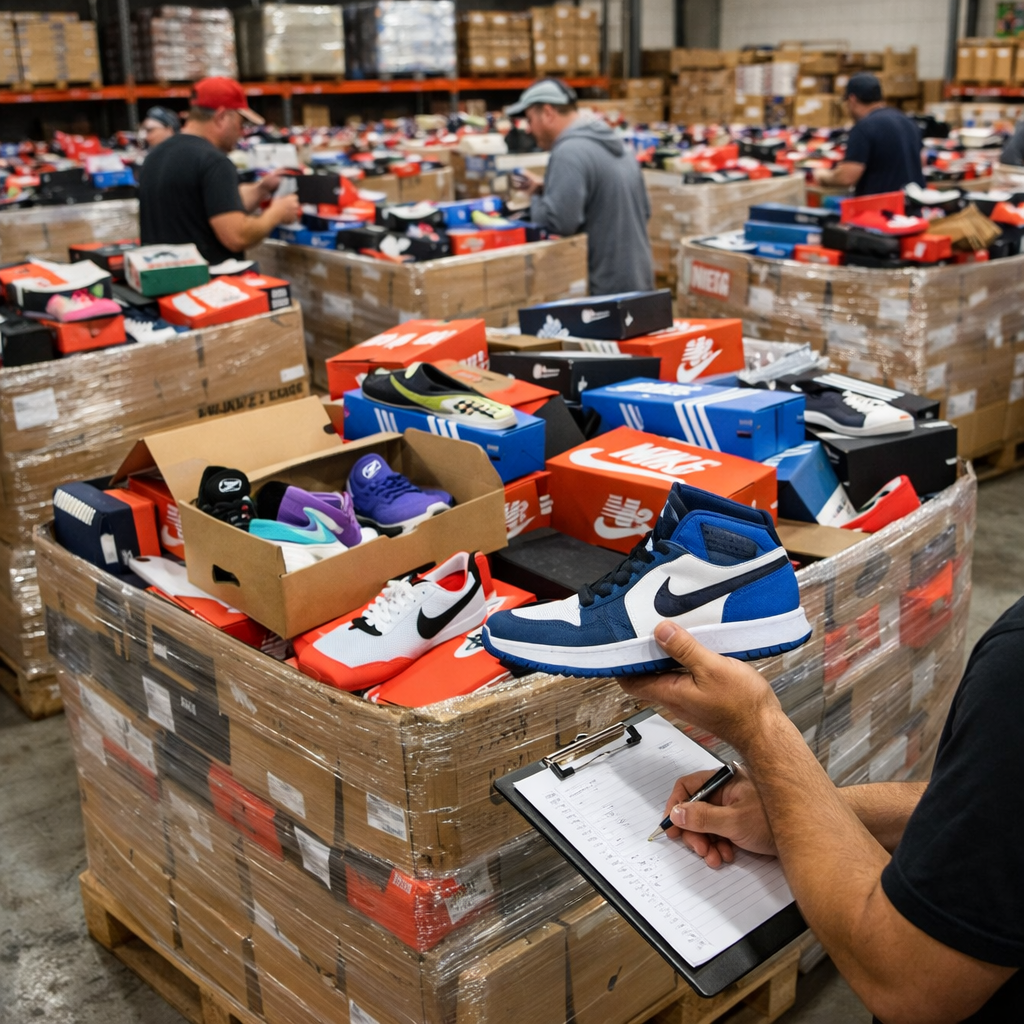
sneaker liquidation pallets
wholesale clothing pallets


Understanding liquidity risk can mean the difference between scaling your resale business successfully or facing cash flow challenges that limit your growth potential.
Liquidity risk represents one of the most critical financial challenges facing resellers and retailers who purchase Amazon liquidation pallets and wholesale inventory. At its core, liquidity risk occurs when you commit significant capital to inventory purchases without maintaining sufficient working capital to cover operational expenses, unexpected costs, or new opportunities. For resellers operating in the liquidation space, this risk becomes particularly acute because inventory investment can consume substantial resources upfront while returns materialize over weeks or months as products sell through various channels.
The resale industry presents unique liquidity challenges compared to traditional retail operations. When you purchase liquidation pallets whether electronics, cosmetics, pet food, or mixed merchandise you're typically buying inventory as-is with no returns. This means your capital is immediately locked into products that may vary in condition from new to customer returns requiring repair or refurbishment. Unlike conventional retail where payment terms with suppliers might extend 30, 60, or 90 days, liquidation purchases often require immediate payment, creating an immediate impact on your cash position.
Understanding your liquidity position requires tracking several key metrics. Your current ratio, which measures current assets against current liabilities, provides insight into your short-term financial health. For liquidation resellers, maintaining a current ratio above 1.5 ensures you can cover immediate obligations while continuing to purchase inventory. Additionally, monitoring your cash conversion cycle—the time between purchasing inventory and receiving cash from sales—helps you understand how long your capital remains tied up in each pallet purchase. Experienced resellers typically aim for a cash conversion cycle under 60 days to maintain healthy liquidity.
Effective cash flow planning begins with creating detailed projections that account for both the timing and uncertainty inherent in liquidation inventory purchases. Unlike traditional retail where inventory performance is relatively predictable, liquidation pallets introduce variables in product condition, market demand, and selling velocity. Your cash flow plan should incorporate conservative estimates for how quickly inventory will sell, accounting for the reality that some items may require price reductions or extended listing times to move through your sales channels.
Successful resellers implement a staged purchasing approach that aligns with their cash flow cycles. Rather than committing your entire available capital to a single large purchase or full truckload, consider structuring your buying to match your selling velocity. If you typically sell through a pallet's worth of inventory in three weeks, plan your next purchase to arrive as your current inventory depletes. This rhythm ensures you maintain consistent product availability for customers while preserving cash reserves for operational expenses, shipping costs, and unexpected opportunities like high-value specialty pallets that occasionally become available.
Building cash reserves specifically for inventory purchases creates a buffer against liquidity challenges. Many experienced liquidation buyers maintain an operating reserve equal to three months of basic expenses—separate from their inventory purchasing budget. This separation ensures that even during slower selling periods or when inventory doesn't perform as expected, you can continue covering essential costs like storage fees, marketplace subscriptions, shipping supplies, and other operational necessities. Additionally, reserving 10-15% of your inventory budget for opportunistic purchases allows you to capitalize on premium pallets or limited-time wholesale opportunities without disrupting your planned purchasing schedule.
Achieving the right balance between inventory investment and working capital requires a disciplined approach to how you allocate financial resources. A common guideline among successful resellers suggests keeping no more than 60-70% of your available capital invested in inventory at any given time. This leaves 30-40% available for working capital needs including shipping costs, marketplace fees, storage expenses, packaging materials, and the inevitable unexpected costs that arise in any resale operation. This ratio provides flexibility while ensuring you maintain sufficient inventory to generate consistent revenue.
Different types of liquidation inventory require different capital allocation strategies. High-velocity items like electronics pallets or premium pet food typically justify larger capital commitments because they convert to cash more quickly. A pallet of brand-name electronics might sell through within two to three weeks, meaning your capital returns rapidly for reinvestment. Conversely, slower-moving categories like furniture or seasonal clothing pallets may require two to three months to fully liquidate, tying up capital for extended periods. Structuring your purchases to maintain a mix of quick-turn and slower-moving inventory helps balance immediate cash generation with potentially higher-margin opportunities.
Implementing inventory turnover targets helps maintain the right balance between investment and liquidity. Professional resellers typically aim for inventory turnover rates between 6 and 12 times annually, meaning complete inventory replacement every one to two months. Tracking turnover by category reveals which types of liquidation pallets generate the best return on invested capital while maintaining healthy cash flow. If certain categories consistently turn over faster—perhaps cosmetics pallets or tool liquidations in your market—allocating more capital to these categories improves overall liquidity while potentially increasing profitability. Regular analysis of turnover metrics allows you to refine your purchasing strategy based on actual performance rather than assumptions.
Strategic purchasing starts with thoroughly evaluating each potential pallet purchase against clear financial criteria. Before committing capital to any liquidation pallet, calculate your maximum acceptable investment based on realistic selling prices and expected condition. For manifested pallets where detailed item lists are available, research recent sold prices for similar items on your selling platforms. Apply conservative discount rates—typically 40-60% below retail for customer returns—to estimate realistic revenue potential. Only proceed with purchases where your projected gross margin after fees and shipping exceeds 40%, providing sufficient buffer for unexpected condition issues or pricing adjustments.
Diversification across multiple pallet types and price points reduces concentration risk and improves liquidity management. Rather than investing your entire budget in high-value specialty pallets like iPhone liquidations or premium tool pallets, consider splitting purchases across different categories and price ranges. A balanced approach might include a mix of smaller general merchandise pallets, mid-range electronics or cosmetics pallets, and occasionally higher-value specialized inventory. This diversification ensures that if one category underperforms or requires longer selling times, other inventory continues generating cash flow to maintain operational liquidity.
Building relationships with trusted liquidation suppliers provides access to better information and potentially improved terms that enhance your liquidity position. Reputable sources like established liquidation distributors offer detailed manifests, accurate condition grading, and consistent quality that reduces uncertainty in your purchasing decisions. When you purchase from suppliers known for very good condition inventory and honest grading, you minimize the risk of receiving pallets that tie up capital in unsellable or difficult-to-move merchandise. Additionally, proven suppliers may offer payment flexibility or volume discounts for repeat buyers, improving your effective cost basis and cash flow position over time.
Building true financial resilience requires developing multiple inventory channels and product categories that perform well across different market conditions and seasons. Resellers who focus exclusively on one product type—whether electronics, clothing, or cosmetics—expose themselves to category-specific risks including seasonal demand fluctuations, market saturation, or platform policy changes affecting certain product types. A diversified inventory approach might include core categories that generate consistent sales year-round supplemented by seasonal opportunities and specialty items that deliver higher margins during peak demand periods.
Implementing a tiered inventory strategy enhances both financial resilience and liquidity management. Structure your purchasing around three tiers: foundation inventory that generates predictable, steady sales; growth inventory in emerging or trending categories with strong demand; and opportunistic inventory representing higher-risk, higher-reward purchases when exceptional deals become available. Your foundation tier might include general merchandise pallets and consistently popular categories that turn over reliably. Allocate 60-70% of your budget here to ensure stable cash generation. Growth inventory receives 20-30% of capital, focusing on categories showing strong market trends. Reserve the final 10% for opportunistic purchases of premium pallets or unusual inventory that occasionally presents exceptional value.
Developing expertise in condition assessment and refurbishment capabilities expands your purchasing options while reducing financial risk. Many resellers avoid pallets containing customer returns or untested items due to uncertainty about condition and functionality. However, buyers who develop skills in testing electronics, making minor repairs, or properly grading cosmetics and beauty products can profitably purchase mixed-condition pallets at lower cost bases. This expertise allows you to extract value from inventory others avoid, often achieving margins 20-30% higher than competitors limited to like-new or sealed products. The ability to profitably work with varied condition inventory provides a competitive advantage while opening access to lower-cost pallets that preserve capital and improve overall liquidity. As your business scales, consider which categories justify developing deeper expertise based on your selling channels, available time for processing, and market demand in your specific niche.